
Search Ohio Deed Records
Ohio deed records are public documents. County recorder offices in all 88 counties store them. You can search for deeds online or visit the recorder's office in person to get copies. Each county keeps its own land records, some going back to the late 1700s. These records track property sales, transfers, mortgages, and liens on real property across the state. The county recorder indexes every deed by grantor and grantee name so you can find what you need. To look up a deed in Ohio, start with the county where the property sits. The recorder can help you search and pull copies of any recorded document.
Ohio Deed Records Overview
How Ohio Deed Records Work
Ohio runs a county-based system for deed records. Each of the 88 counties elects a recorder who serves a four-year term. The recorder's job is to record, preserve, and make land records available to the public. Under Ohio Revised Code Chapter 317, the county recorder must store all deeds and instruments in one general record series called the "official records." This covers deeds, mortgages, liens, leases, and more. The Ohio Recorders' Association has coordinated all 88 county recorders since 1927. They provide education, legislative updates, and public access tools to help people connect with the right recorder's office.
The Ohio Revised Code Chapter 317 sets the standards every county recorder must follow when handling Ohio deed records.
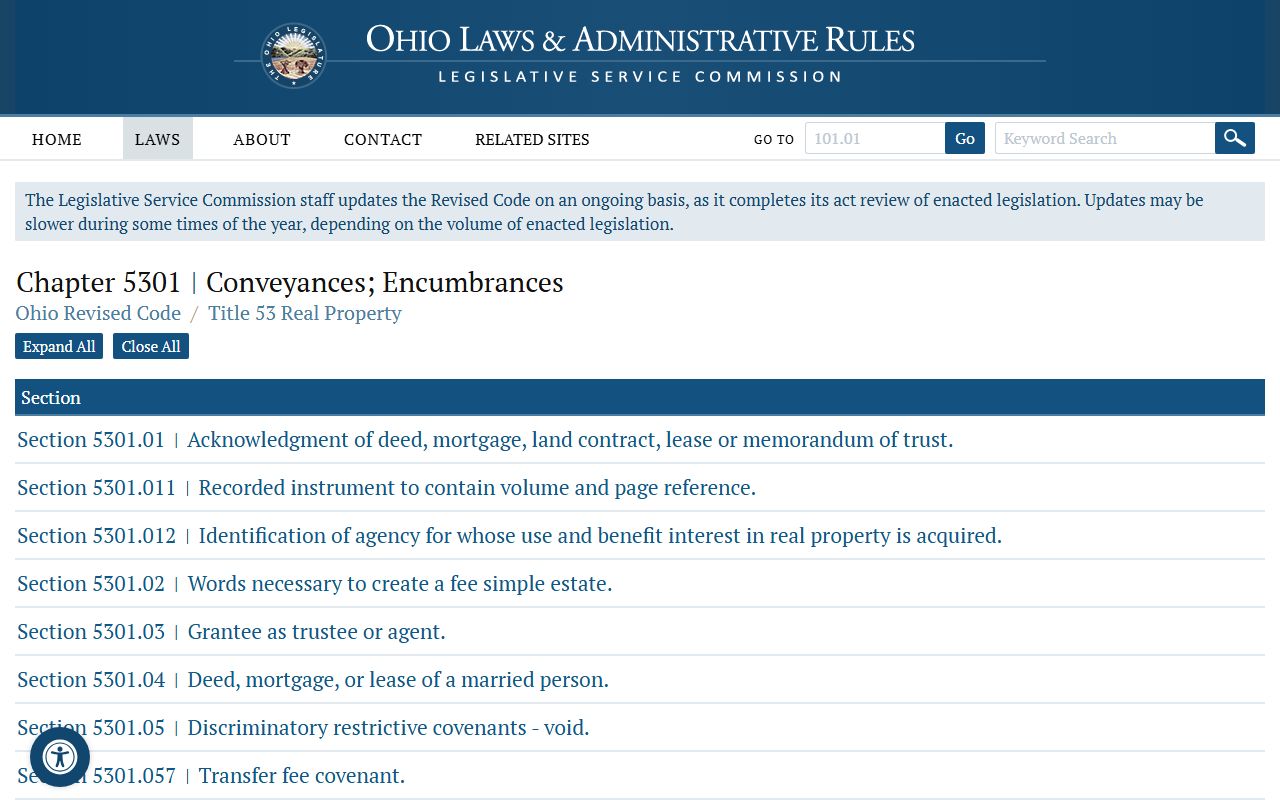
This code tells recorders what to accept, how to index it, and what format rules apply to each document.
Every document that goes into the official records must meet certain standards. Section 317.114 sets the format: font size 10 or larger, paper between 8.5 by 11 and 8.5 by 14 inches, black or blue ink only, no highlighting, one-inch margins on each side, and a three-inch margin across the top of the first page. Documents that fail these rules face an extra $20 fee. The recorder also keeps direct and reverse indexes as required by Section 317.18. The direct index lists grantors. The reverse index lists grantees. This lets you search from either side of a deal.
Recording a deed protects you. Under ORC Section 5301.25, unrecorded deeds can be considered fraudulent against a later buyer who acts in good faith. That is why recording matters. It puts the world on notice that you own the property.
Search for Deed Records in Ohio
Many Ohio counties let you search deed records online. As of recent counts, 55 of 88 counties accept electronic recordings. That covers about 86% of the state's population. Services like Simplifile, CSC, and eRecording Partners Network handle the electronic side. For public searches, most counties run their own web portals where you can look up documents by name, date, or document type. Some counties provide full document images online. Others show only index data and require an office visit for the actual deed.
The Ohio Secretary of State's records portal provides search tools for state records including notary verification, which matters when you need to confirm who notarized a deed.
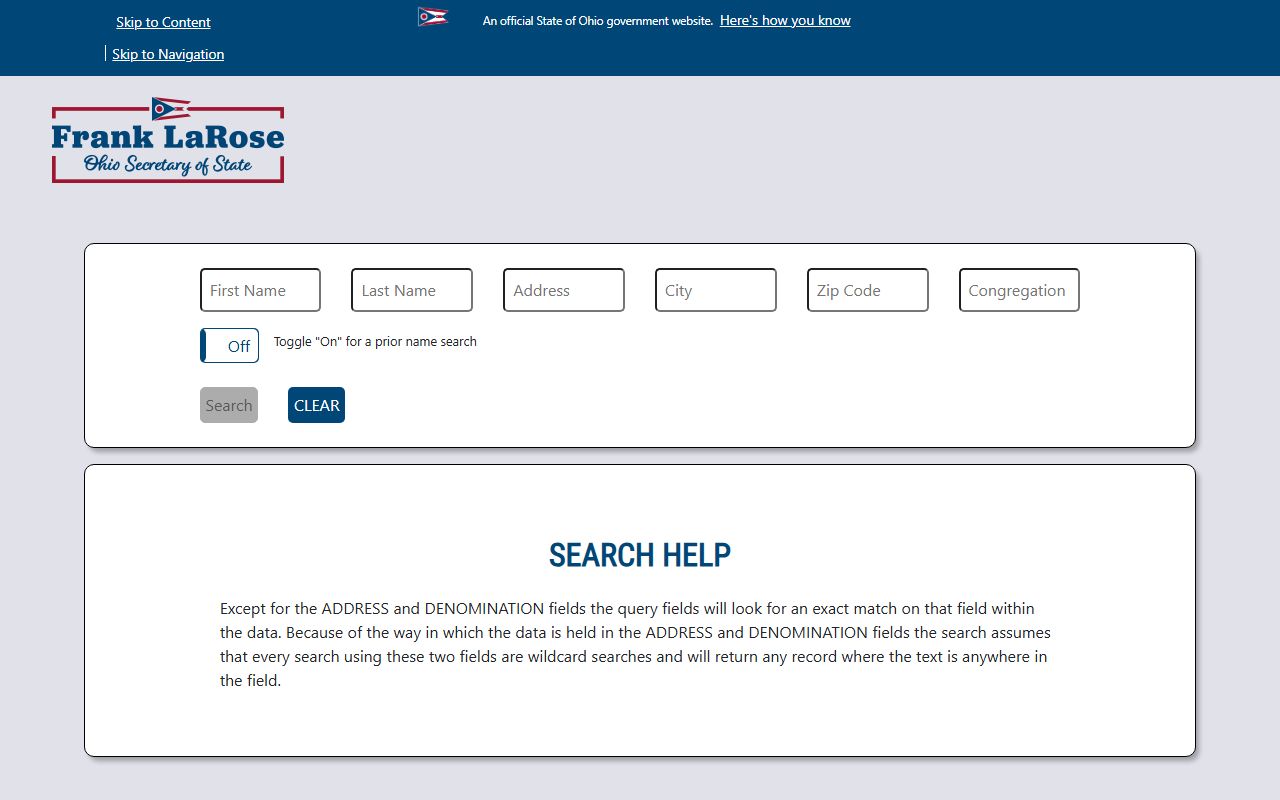
You can reach the Secretary of State's office at 1-877-767-6446 or help@ohiosos.gov for help with records searches.
The County Auditors' Association of Ohio represents all 88 county auditors. Most auditors run online property search portals that work alongside the recorder's deed records. These auditor sites show current ownership, tax assessments, and parcel maps. Use them with the recorder's records for a full picture of any property in Ohio.

Types of Ohio Deed Records
Deed records in Ohio cover a wide range of documents beyond simple property transfers. The most common are warranty deeds, quitclaim deeds, and limited warranty deeds. But the recorder's office takes in much more. They handle mortgages, liens, leases, powers of attorney, and land contracts. Under ORC Section 5301.01, every deed, mortgage, or land contract must be signed by the grantor and acknowledged before a notary public, judge, clerk of court, or other authorized official before it can be recorded. Section 5301.05 also voids discriminatory restrictive covenants in deeds, so any language that limits transfers based on protected classes has no legal effect in Ohio.
Ohio deed records typically include these documents:
- Warranty deeds and quitclaim deeds
- Mortgages, releases, and assignments
- Federal and state tax liens
- Leases and lease assignments for oil, gas, and mineral rights
- Powers of attorney related to real property
- Subdivision plats and condominium declarations
Environmental covenants also go into county deed records. The Ohio EPA oversees these under ORC Sections 5301.80 to 5301.92. No further action letters and covenants not to sue get recorded too. These affect how property can be used after cleanup.
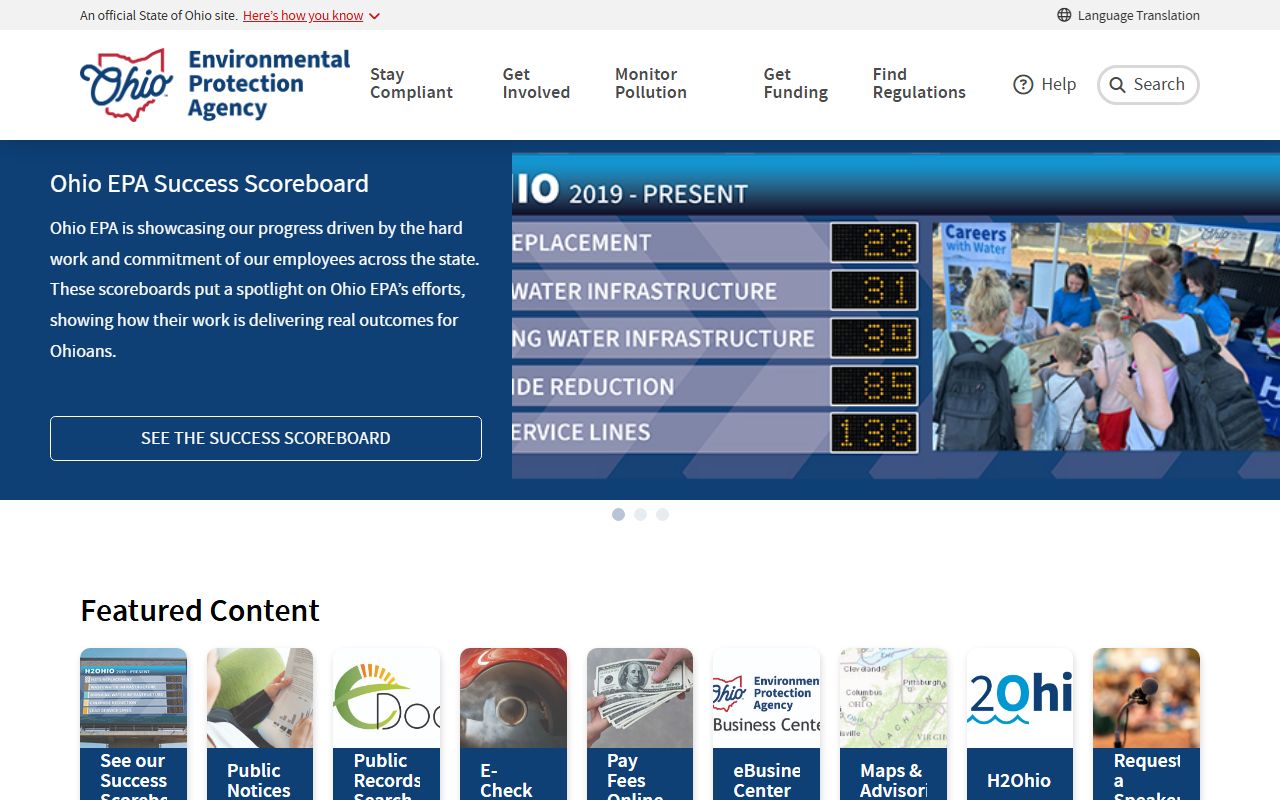
Environmental documents become part of the official records and can restrict property use and future transfers.
Ohio Deed Recording Fees
Recording a deed in Ohio costs $34 for the first two pages. Each extra page adds $8 to the total. If your document does not meet the format rules in Section 317.114, the recorder charges an additional $20 on top. Names must be printed or typed beneath signatures if they are not legible, per Section 317.11. The preparer's name must also appear on any instrument that conveys title to real estate, as required by Section 317.111.
The county auditor collects separate fees when property changes hands. The state conveyance fee is $1 for every $1,000 of the property's value. Some counties charge more based on local levies. Hamilton County charges $4 per $1,000. There is also a $0.50 per parcel transfer fee paid to the auditor. Sellers usually pay the conveyance fee unless both parties agree to split it or put it on the buyer. Ohio law provides 25 exemptions from the conveyance fee, including transfers between spouses, gifts to children, and deeds to government agencies or charities.
Cash or check is standard at most recorder offices. Some do not take credit cards. Check with your local recorder before visiting. Many offices require separate checks for auditor and recorder fees.
Note: Recording fees can vary slightly by county and may change year to year. Contact your county recorder's office to confirm current costs before you file.
Get Copies of Ohio Deed Records
You can get copies of deed records by visiting the county recorder's office in person, by mail, or online in many counties. Walk-in requests are usually handled the same day. Bring the property address or the names of the grantor or grantee. Staff will help you search. Most offices charge $2 per page for copies. Self-service copies cost less in some places. Champaign County, for instance, charges just $0.25 for self-service copies. Certified copies cost more and carry the official seal of the recorder.
Under Ohio's Open Records Law, enacted in 1963, deed records are public. Anyone can request them. You do not need to state a reason. You can file your request online, in person, by phone, email, or mail. No statement of purpose is needed under Ohio law. Section 317.42(A) confirms that documents recorded in the recorder's office are public records. The Ohio State Bar Association can connect you with a real estate attorney if you need help reading a deed or sorting out a title issue.
The Ohio State Bar Association provides resources on real property law and can help you find an attorney for questions about Ohio deed records.

Attorneys who specialize in real property can help interpret deed language, resolve title problems, and guide you through the recording process.
Protect Your Ohio Property
Deed fraud is a real concern. Scammers file fake quitclaim deeds to take over property ownership. Many Ohio counties now offer Property Fraud Alert systems to fight this. The AlertMe service through Document Technology Systems is used by multiple counties. It sends you an email when any document gets recorded under your name or your property address. It is free to sign up. The Ohio Recorders' Association provides statewide resources on property fraud prevention.
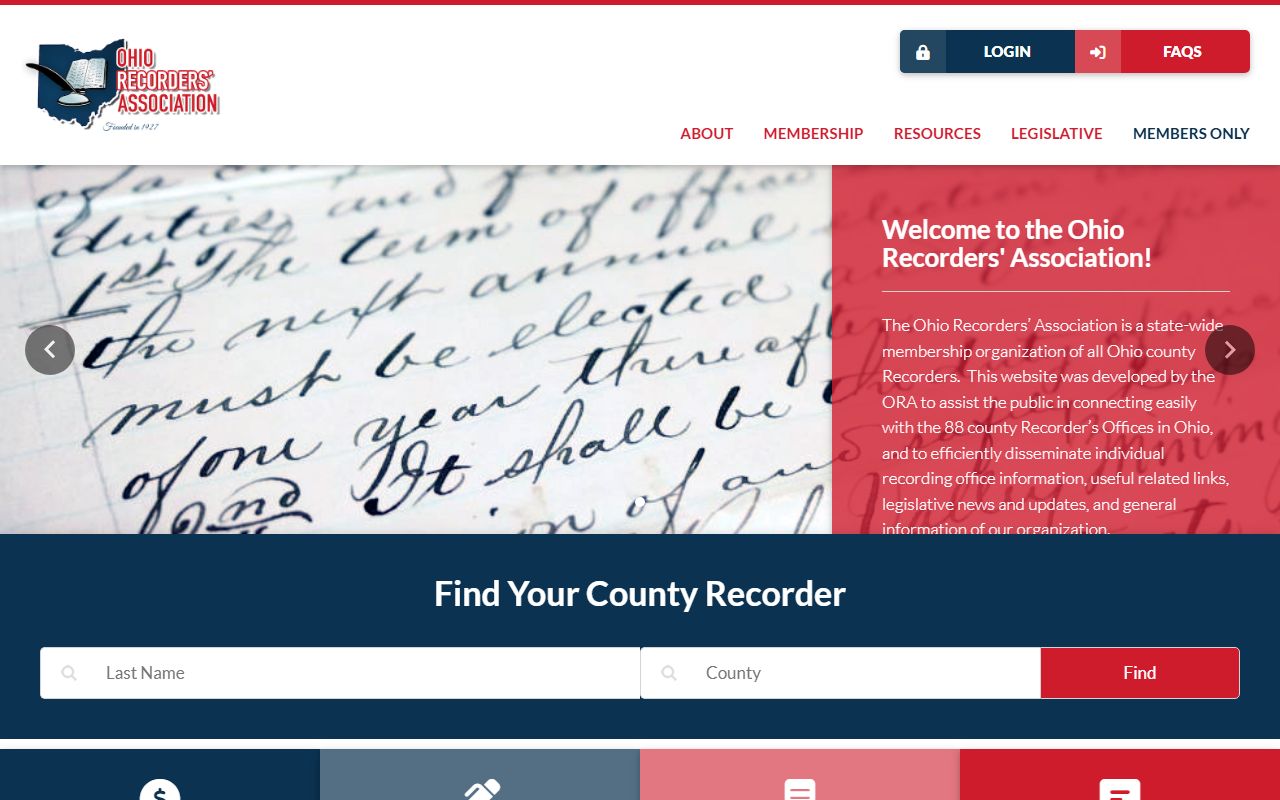
The Ohio Recorders' Association helps property owners across all 88 counties access fraud alert tools and prevention resources.
The Franklin County Deed Fraud Strike Force put together steps every property owner should take. Check your county recorder and auditor websites often for new recordings. Pull your credit reports to look for odd activity. Make sure the county auditor and treasurer have your current mailing address and email. Sign up for electronic notices if your county offers them. When using a notary, verify them on the Secretary of State's website. Watch out for scam letters from companies that charge $83 to $89 for deed copies. The recorder's office sells the same copies for about $2 per page.
Note: Many Ohio counties offer free property fraud alert services. Sign up through your county recorder's website to get notified when documents are filed under your name.
Browse Ohio Deed Records by County
Each of Ohio's 88 counties has its own recorder's office that handles deed records. Pick a county below to find local contact info, search tools, and resources for deed records in that area.
Deed Records in Major Ohio Cities
City residents in Ohio file deeds at the county recorder in their area. Pick a city below to find out which county handles deed records there and how to search for property documents.